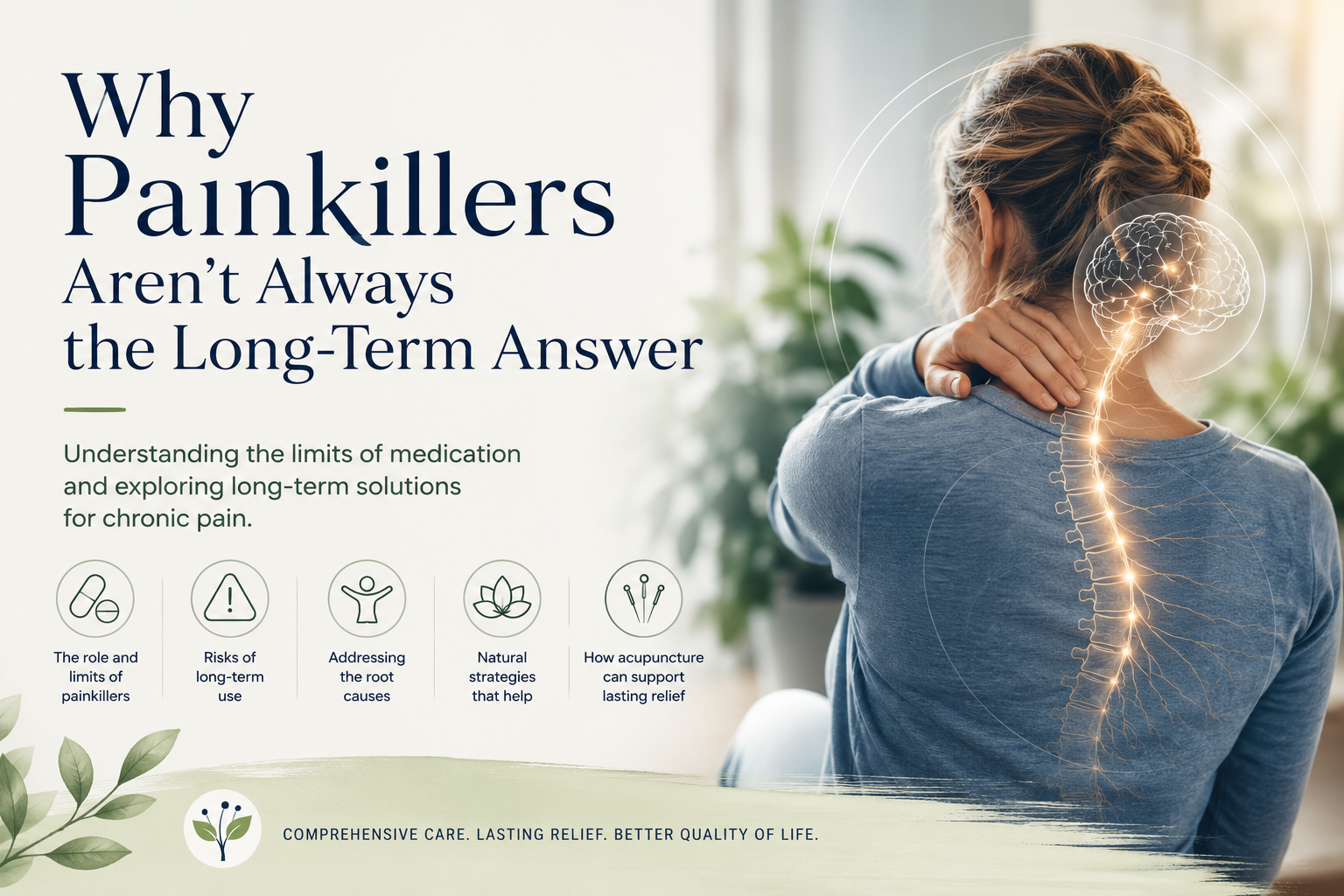
Why Painkillers Aren't Always the Long Term Answer for Chronic Pain
When pain becomes part of everyday life, reaching for painkillers can seem like the obvious solution. Whether it’s lower back pain, arthritis, neck pain or another long-term condition, medication often provides welcome relief, particularly in the early stages.
However, while painkillers can play an important role in managing acute pain, they are not always the best long-term solution for people living with chronic pain.
Understanding why can help you make informed decisions about managing your symptoms and improving your quality of life.
Understanding Acute Pain vs Chronic Pain
Pain serves an important purpose. It is the body’s natural alarm system, warning us when something may be wrong.
Acute pain usually develops suddenly following an injury, illness or surgery and generally improves as healing takes place.
Chronic pain, on the other hand, is typically defined as pain that lasts for more than three months. In many cases, the original injury has healed, but the pain continues.
As our understanding of chronic pain has developed, researchers have recognised that persistent pain often involves changes within the nervous system as well as the tissues themselves.
This means managing chronic pain often requires a broader approach than simply reducing pain signals.
How Painkillers Work
Different medications work in different ways.
Some reduce inflammation, while others alter how pain signals are transmitted or processed by the nervous system.
Pain medication may help:
- Reduce discomfort during recovery
- Improve mobility in the short term
- Help people remain active
- Support rehabilitation after injury or surgery
For many people, these benefits are valuable.
The challenge comes when pain becomes long-term.
Why Painkillers May Become Less Effective Over Time
Although medication can reduce symptoms, it does not always address the factors that contribute to persistent pain.
For example, chronic pain may also be influenced by:
- Nervous system sensitivity
- Muscle weakness or stiffness
- Reduced movement
- Poor sleep
- Stress
- Lifestyle factors
- Long-term inflammation
Some people also find that certain pain medications become less effective over time, meaning higher doses may be needed to achieve the same level of relief. This isn’t true for every medicine or every person, but it can happen with some types of pain medication.
For this reason, healthcare professionals often recommend combining medication with other evidence-based approaches rather than relying on medication alone.
Potential Risks of Long-Term Painkiller Use
Every medication has potential benefits and potential risks.
Depending on the type of medication, long-term use may be associated with:
Non-Steroidal Anti-Inflammatory Drugs (NSAIDs)
Examples include ibuprofen and naproxen.
Long-term use may increase the risk of:
- Stomach irritation or ulcers
- Kidney problems
- Raised blood pressure
- Cardiovascular complications in some individuals
Opioid Painkillers
Examples include codeine, tramadol and morphine.
While opioids may be appropriate for certain conditions, long-term use for chronic non-cancer pain is generally approached with caution.
Potential issues include:
- Reduced effectiveness over time
- Physical dependence
- Constipation
- Drowsiness
- Reduced concentration
- Increased sensitivity to pain in some people (opioid-induced hyperalgesia)
Any changes to prescribed medication should always be discussed with your GP or prescribing clinician.
Treating the Cause, Not Just the Symptoms
One of the biggest challenges with chronic pain is that reducing symptoms doesn’t always address the reasons why pain persists.
For many people, long-term improvement comes from understanding the wider picture.
This may include:
- Improving joint mobility
- Restoring muscle function
- Increasing confidence in movement
- Supporting healthy sleep
- Reducing stress
- Improving general fitness
- Managing underlying health conditions
Rather than focusing solely on pain intensity, modern pain management often aims to improve overall function and quality of life.
The Importance of Staying Active
Years ago, prolonged rest was commonly recommended for persistent pain.
Today, evidence suggests that appropriate movement is often one of the most effective strategies for many chronic pain conditions.
Gentle activities such as:
- Walking
- Swimming
- Cycling
- Tai Chi
- Qigong
- Mobility exercises
can help improve circulation, maintain joint health and support a healthy nervous system.
The key is finding the right balance and progressing gradually.
Lifestyle Factors Matter More Than Many People Realise
Pain is influenced by many aspects of health.
Improving just one area may not transform symptoms overnight, but together these changes can make a meaningful difference.
Important lifestyle factors include:
Sleep
Poor sleep can increase pain sensitivity and reduce the body’s ability to recover.
Nutrition
A balanced diet rich in vegetables, fruit, healthy fats and lean protein supports general health and may help reduce inflammation.
Stress Management
Living with pain is stressful.
Equally, stress can increase muscle tension and influence how the nervous system processes pain.
Relaxation techniques, mindfulness, breathing exercises and enjoyable hobbies may all play a helpful role.
Where Does Acupuncture Fit?
Many people choose acupuncture as part of a broader approach to managing chronic pain.
Clinical research suggests acupuncture may help some people with persistent pain by:
- Encouraging the release of the body’s natural pain-relieving chemicals
- Supporting healthy circulation
- Reducing muscle tension
- Influencing how the brain and nervous system process pain
Treatment is tailored to the individual and should be based on a full assessment of symptoms, medical history and personal goals.
Acupuncture is not usually viewed as a replacement for conventional medical care but may complement other aspects of a comprehensive pain management plan.
When Should You Review Your Pain Management?
It may be worth speaking with a healthcare professional if:
- You’ve been taking pain medication regularly for several months.
- Your pain is becoming more frequent.
- You’re needing higher doses to achieve the same effect.
- Pain is affecting sleep or daily activities.
- You’re avoiding movement because of fear of pain.
- You’re unsure whether your current treatment plan is still appropriate.
A review can help identify whether other approaches may support your long-term recovery.
Chronic Pain Treatment in Stamford
If you’re living with persistent pain, arthritis, fibromyalgia or another long-term musculoskeletal condition, a personalised assessment can help identify the factors contributing to your symptoms.
At Duncan Ford Acupuncture, I work with people experiencing chronic pain throughout Stamford and the surrounding areas. Treatment plans are tailored to each individual and may include acupuncture alongside practical advice on movement, lifestyle and long-term pain management.
The goal is not simply to reduce pain, but to help improve movement, confidence and overall quality of life.
Frequently Asked Questions
Should I stop taking my painkillers?
No. Never stop or change prescribed medication without first speaking to your GP or prescribing healthcare professional.
Are painkillers bad?
Not at all. Painkillers are an important part of healthcare and can be highly effective for many conditions. The key is ensuring they are used appropriately and reviewed regularly when pain becomes long-term.
Can chronic pain improve without relying solely on medication?
For many people, a combination of movement, education, lifestyle changes, appropriate medical care and therapies such as acupuncture may help improve symptoms and function.
Is acupuncture a replacement for pain medication?
Acupuncture should not be viewed as a replacement for prescribed medication. It may be used alongside conventional medical care as part of an individualised pain management plan where appropriate.
Conclusion
Painkillers remain an important tool in modern healthcare and can provide valuable relief for many people. However, when pain becomes persistent, medication alone may not address the complex physical and neurological changes involved in chronic pain.
A broader approach that includes education, appropriate movement, healthy lifestyle habits and evidence-informed treatments may provide a more sustainable path towards long-term pain management.
If you’re living with chronic pain and would like to explore a personalised approach, professional assessment can help identify the most appropriate strategies for your individual needs.