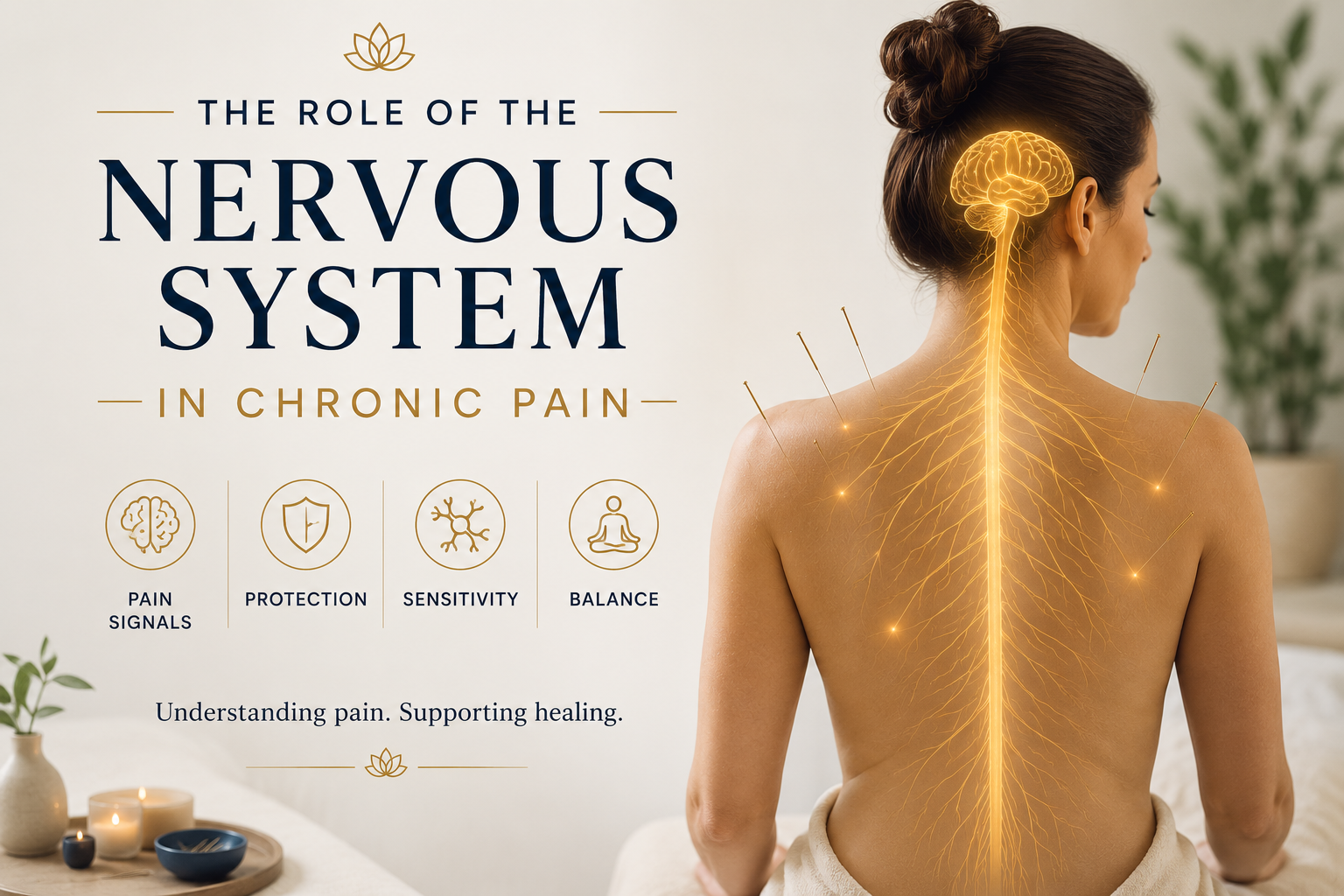
The Role of the Nervous System in Chronic Pain: Understanding Why Pain Persists
The Role of the Nervous System in Chronic Pain
Pain is one of the body’s most important protective mechanisms. It alerts us to potential harm, encourages us to rest an injured area and plays a vital role in healing.
However, for people living with chronic pain, the relationship between pain and injury is not always straightforward.
Modern pain science has shown that the nervous system plays a central role in how pain is experienced. Understanding this can help explain why pain sometimes continues long after tissues have healed and why managing chronic pain often requires more than treating the original injury.
What is the Nervous System?
The nervous system is the body’s communication network. It constantly gathers information from the environment and sends messages between the brain, spinal cord and the rest of the body.
It has two main parts:
- The Central Nervous System (CNS) – consisting of the brain and spinal cord.
- The Peripheral Nervous System (PNS) – the network of nerves that carries information to and from the rest of the body.
Together, these systems help regulate movement, sensation, balance, digestion, breathing, heart rate and how we experience pain.
Pain is Produced by the Nervous System
Many people think pain comes directly from an injured muscle, joint or tendon.
In reality, damaged tissues send signals to the nervous system, but it is the brain that ultimately decides whether pain is produced based on the information it receives.
This process is designed to protect us.
For example, touching a hot pan causes nerve endings to send rapid signals to the brain, which responds by creating pain and triggering you to pull your hand away.
In most cases, as healing occurs, these danger signals reduce and the pain gradually settles.
When the Nervous System Becomes More Sensitive
Sometimes, however, the nervous system remains on high alert.
Instead of switching off once healing has taken place, it becomes increasingly sensitive to incoming signals. This means that normal everyday movements or light touch may begin to feel painful.
This process is known as central sensitisation and is recognised as an important factor in many persistent pain conditions, including:
- Fibromyalgia
- Chronic back pain
- Neck pain
- Migraine
- Osteoarthritis
- Chronic pelvic pain
- Some nerve pain conditions
Importantly, this does not mean the pain is imagined.
The pain is genuine, but the nervous system has become more protective than necessary.
Why Does the Nervous System Become Sensitive?
There is rarely one single reason.
A combination of factors may contribute, including:
- Previous injury
- Persistent inflammation
- Surgery
- Poor sleep
- Ongoing stress
- Anxiety
- Reduced physical activity
- Long-term illness
These influences can affect how the nervous system processes information and how easily pain signals are triggered.
The Fight or Flight Response
The nervous system also controls our automatic stress response.
When we experience stress, the body prepares for action by increasing heart rate, muscle tension and alertness.
This is known as the sympathetic nervous system, often referred to as the “fight or flight” response.
While this response is essential in dangerous situations, remaining in this heightened state for prolonged periods may contribute to:
- Increased muscle tension
- Poor sleep
- Fatigue
- Greater pain sensitivity
- Reduced recovery
Helping the nervous system return to a calmer state may therefore play an important role in managing persistent pain.
The Importance of the Parasympathetic Nervous System
The parasympathetic nervous system is often described as the body’s “rest and digest” system.
It helps slow the heart rate, supports digestion, promotes relaxation and encourages recovery.
Many healthy habits are thought to support parasympathetic activity, including:
- Regular physical activity
- Mindfulness
- Deep breathing
- Good sleep
- Time outdoors
- Relaxation techniques
These approaches do not eliminate chronic pain overnight, but they may help reduce the overall burden placed on the nervous system.
How Can Acupuncture Help?
Many people choose acupuncture as part of a wider approach to managing chronic pain.
Research suggests acupuncture may:
- Influence how pain signals are processed.
- Encourage the release of natural pain-relieving chemicals.
- Help reduce muscle tension.
- Promote relaxation.
- Support improved sleep.
- Encourage regulation of the nervous system.
Responses vary between individuals, and acupuncture is generally considered a complementary therapy rather than a replacement for conventional medical care.
Supporting a Healthy Nervous System
Looking after your nervous system involves more than simply treating pain.
Simple lifestyle habits may help support long-term wellbeing, including:
Prioritising Sleep
Sleep allows the brain and nervous system to recover. Poor sleep is associated with increased pain sensitivity and fatigue.
Gentle Movement
Walking, swimming, yoga and stretching can help maintain mobility while providing positive input to the nervous system.
Managing Stress
Techniques such as breathing exercises, meditation and spending time in nature may help calm an overactive stress response.
Eating a Balanced Diet
A nutritious diet supports overall health and provides the body with the nutrients required for normal nerve function.
Staying Connected
Social interaction, enjoyable hobbies and meaningful activities all contribute to emotional wellbeing, which is closely linked with how pain is experienced.
A Whole-Person Approach
Persistent pain is rarely caused by one single factor.
Modern healthcare increasingly recognises the importance of considering physical, emotional and lifestyle influences together.
Understanding the role of the nervous system can help explain why chronic pain often requires a broader approach—one that combines movement, education, healthy lifestyle choices and, for some people, complementary therapies such as acupuncture.
Acupuncture in Stamford for Chronic Pain
If you’re living with persistent pain and are looking for a holistic approach alongside your existing healthcare, acupuncture may be worth considering.
At Duncan Ford Acupuncture & Massage in Stamford, treatment is tailored to the individual, taking into account not only physical symptoms but also sleep, stress, activity levels and overall wellbeing.
The goal is to support your body’s natural healing processes and help you move towards improved comfort, confidence and quality of life.