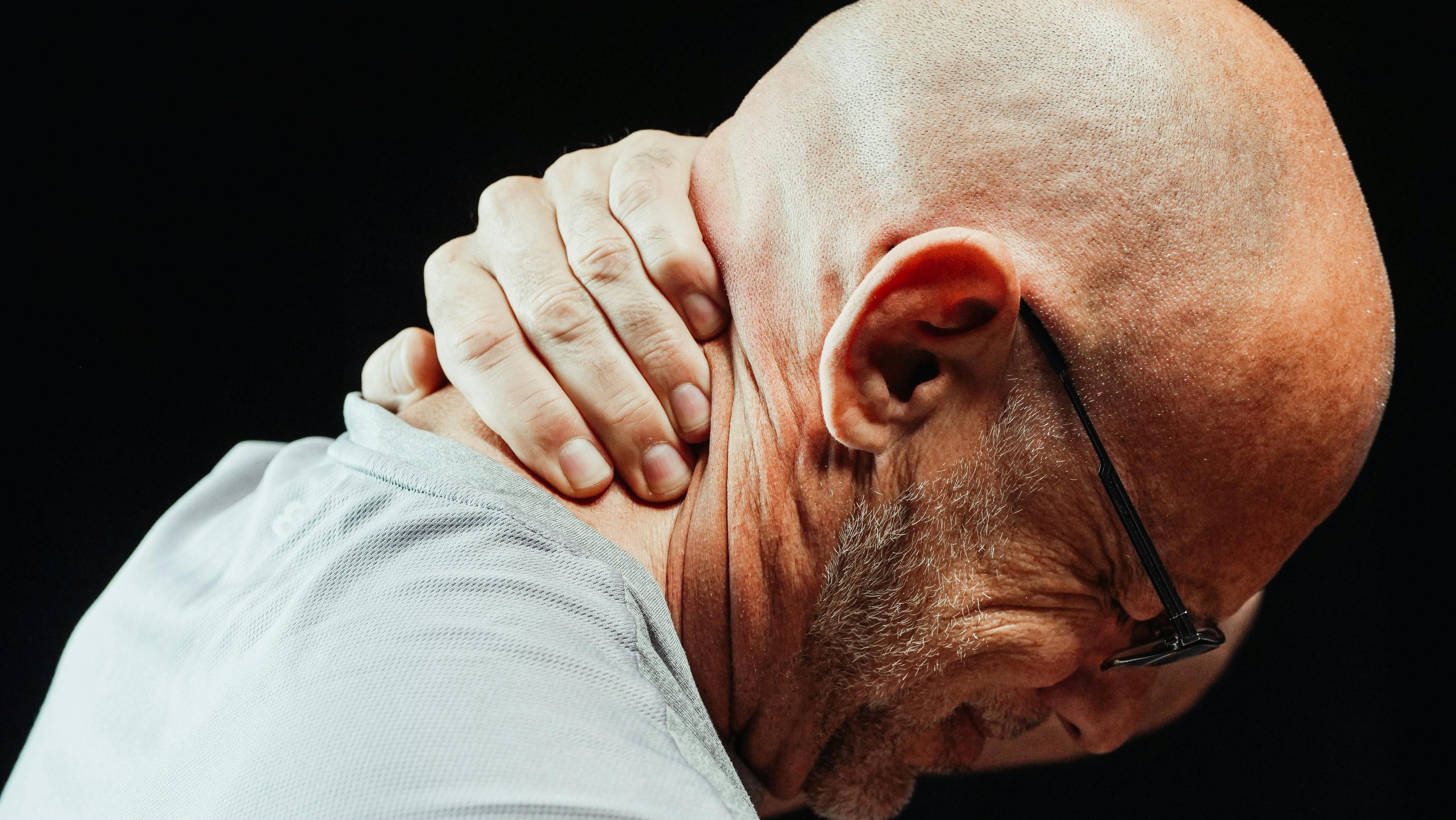
Acupuncture for Pain
Acupuncture for Pain is becoming an increasingly popular and effective option for people looking to manage both acute and chronic discomfort naturally.
Acupuncture for Pain focuses on addressing the root cause of symptoms, not just masking them, helping the body restore balance and function.
What Is Acupuncture for Pain?
Acupuncture is a key component of Traditional Chinese Medicine (TCM) and involves the insertion of very fine needles into specific points on the body. These points are selected based on an individual diagnosis, with the aim of improving circulation, reducing inflammation, and supporting the body’s natural healing processes.
When used for pain management, acupuncture works on both a physical and neurological level. Modern research suggests that it may stimulate the release of endorphins (the body’s natural painkillers), regulate the nervous system, and improve blood flow to affected areas.
How Acupuncture Helps with Pain Relief
Acupuncture is widely used for a range of pain-related conditions. It is particularly effective because it takes a holistic approach, considering not just the site of pain but the overall health of the individual.
Key ways acupuncture may help include:
- Reducing inflammation in muscles and joints
- Relaxing tight or overactive muscles
- Improving mobility and flexibility
- Enhancing circulation to injured or painful areas
- Supporting the nervous system to reduce pain signals
This makes acupuncture suitable for both short-term injuries and long-standing chronic conditions.
Conditions Commonly Treated with Acupuncture for Pain
Many people seek acupuncture for a variety of pain conditions, including:
- Back pain and sciatica
- Neck and shoulder tension
- Arthritis and joint pain
- Migraines and tension headaches
- Sports injuries
- Fibromyalgia
- Chronic pain conditions
By tailoring each treatment to the individual, acupuncture can provide a personalised approach that evolves as symptoms change.
A Natural Alternative to Pain Medication
One of the main reasons people turn to acupuncture is to reduce reliance on medication. While painkillers can be helpful in the short term, they do not always address underlying causes and may come with unwanted side effects.
Acupuncture offers a drug-free alternative that supports the body’s own healing mechanisms. For many people, it can be used alongside conventional treatments, creating a more integrated and sustainable approach to pain management.
What to Expect During Treatment
A typical acupuncture session begins with a detailed consultation to understand your symptoms, medical history, and lifestyle. This allows the practitioner to create a treatment plan tailored specifically to you.
During the treatment:
- Fine, sterile needles are gently inserted into selected points
- Most people feel little to no discomfort
- You may experience a sensation of heaviness, warmth, or relaxation
- Sessions usually last between 30–60 minutes
Many patients report feeling deeply relaxed during and after treatment, with improvements often building over a course of sessions.
Is Acupuncture Safe?
When performed by a qualified practitioner, acupuncture is considered very safe. Single-use, sterile needles are used, and treatments are adapted to suit each individual.
Side effects are generally minimal but may include slight bruising or temporary soreness at needle sites.
Why Choose Acupuncture for Pain?
Acupuncture stands out because it:
- Treats both symptoms and underlying causes
- Supports whole-body health and wellbeing
- Is suitable for a wide range of conditions
- Can be used alongside other treatments
- Offers a natural, non-invasive approach to pain relief
Start Your Journey to Pain Relief
If you are struggling with pain—whether recent or long-standing—acupuncture may offer a safe and effective solution. By addressing imbalances within the body, it aims to not only relieve pain but also improve overall health and quality of life.
If you would like to explore how acupuncture can help you, consider booking a consultation to discuss your symptoms and create a personalised treatment plan.